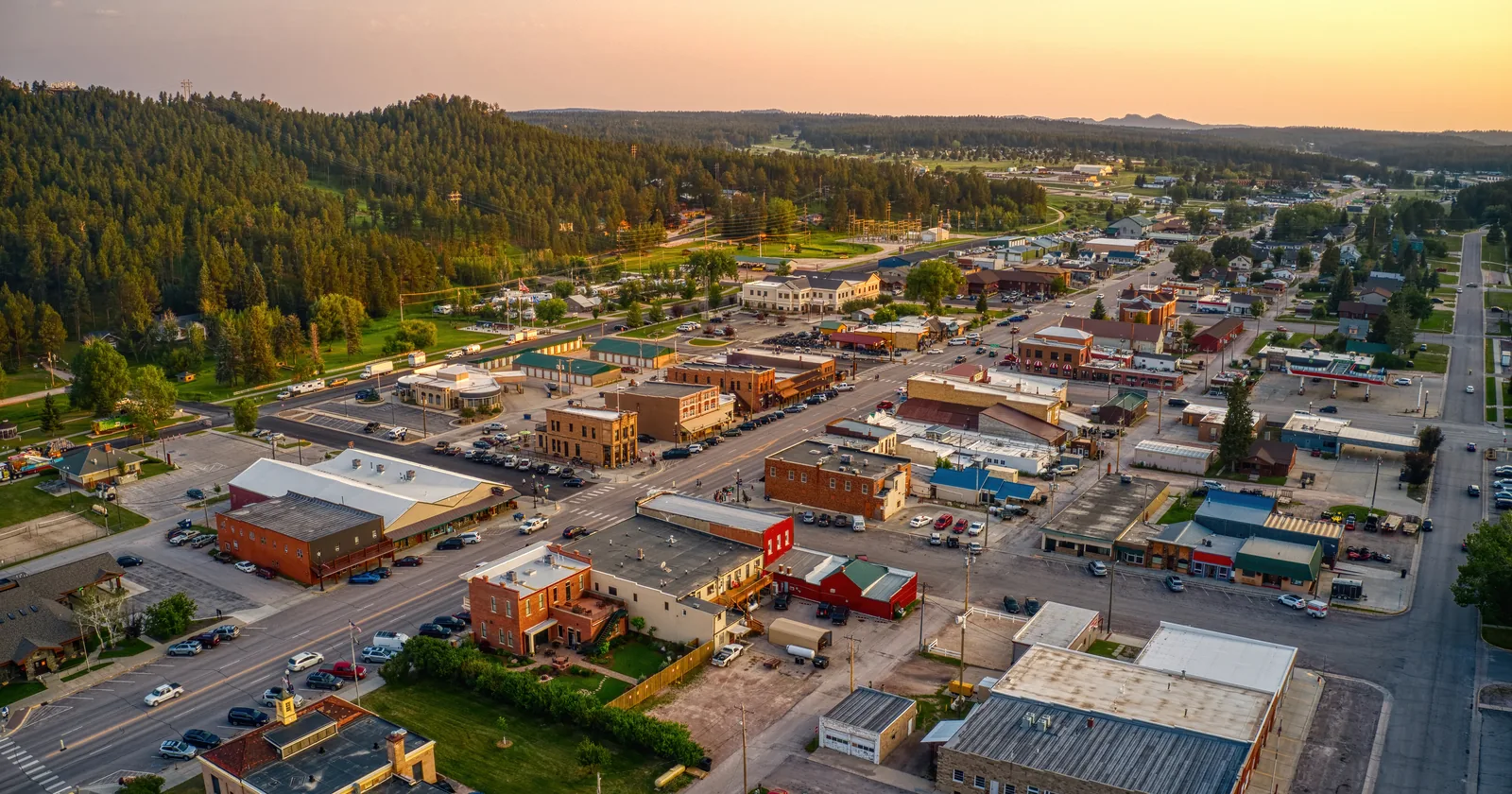
Every destination has them. The place locals send their friends to, that a visitor three blocks away will never hear about.
It is not a quality problem and it is usually not a marketing problem either. Plenty of these businesses market well. The issue is that they are marketing to the wrong audience without realizing it.
Local marketing reaches locals
A social following built over years is made of people who live there. An email list is made of people who came back. A sign on the street reaches people who walk that street, which is people who already know the neighborhood. Every one of these channels is excellent, and every one of them compounds inside the local population.
Visitors are not in any of them. They arrived on Thursday, they leave Sunday, they do not follow the account, and they will never walk that street unless something puts them on it.
The channel that would work is the one they cannot buy
The place a visitor actually makes decisions is the hotel room and the lobby. That is the channel, and it has historically been closed. A single restaurant cannot negotiate with every property in town, cannot get onto the in-room TV, and cannot staff a person at the front desk. The brochure rack was the one door available, and travelers stopped opening it.
The visitor audience is not hard to reach. It is hard to reach one business at a time.
What aggregation actually solves
This is the plainest argument for a city guide, and it is worth stating without any marketing language. One local business cannot get into a hundred hotel rooms. A guide that is already in those rooms can carry a hundred local businesses into them.
That is a genuine exchange rather than a favor in either direction. The hotel gets a better guest experience and a share of what the guide produces. The local business gets access to an audience that was structurally out of reach. The traveler gets a real recommendation instead of the same handful of search results everyone else gets.
Why the operator has to be local
None of this works if the guide is assembled from a distance. Knowing which places deserve the spot, which ones are having a bad year, and which new opening is about to matter is not information that shows up in a data feed. It is what someone who lives there knows.
That is the reason territories are owned by people rather than run centrally. The platform can be built once. The judgment cannot.