Destination marketing is very good at one job: convincing people to come. Campaigns, travel shows, social media and partnerships all point at the moment a trip gets booked. Then the visitor arrives, and for most destinations the marketing more or less stops.
That is a gap worth paying attention to, because the days a visitor spends in town are when they actually spend money at local businesses. Which restaurants they choose, which tours they take, which neighborhoods they wander into: almost all of it is decided after arrival, on a phone, in the hotel.
The traveler journey has two halves
The first half is inspiration and booking: choosing a destination, a hotel and dates. This is where tourism boards, destination marketing organizations and travel brands invest most heavily, and it is well served.
The second half is the stay itself. Here the traveler is deciding what to do with the next evening or the next free afternoon, and their information sources shrink to whatever is in front of them. Around 98% of travelers search for things to do on their phones, and about 75% book experiences within 24 hours of arriving. The decisions are fast, local and made on the spot.
A destination campaign earns the visit. What happens in the next 24 hours decides who benefits from it.
Why the in-destination stage is hard to reach
- The old channels faded. Visitor center racks and hotel brochure displays were built for travelers who picked up paper. Fewer than 5% of hotel guests take a brochure today.
- Search favors the already famous. A visitor searching on their phone sees the most reviewed and most promoted places first, so spending concentrates on a handful of names.
- Hotels are stretched. The concierge desk that once steered guests across a city is rarer, and front desk staff have a lobby to run.
- It needs local, current knowledge. Recommendations go stale fast. A list printed in spring is wrong by summer.
What good in-destination marketing looks like
It meets the visitor where they already are, which is the hotel lobby, the hotel room and their own phone. It is curated by someone who knows the area rather than generated by whoever pays the most. It is current, it works in multiple languages for international visitors, and it lets the traveler book directly, while the intent is there. And it spreads visitor spending across the independent restaurants, attractions and tour operators that give a destination its character, not only the obvious few.
Where a digital city guide fits
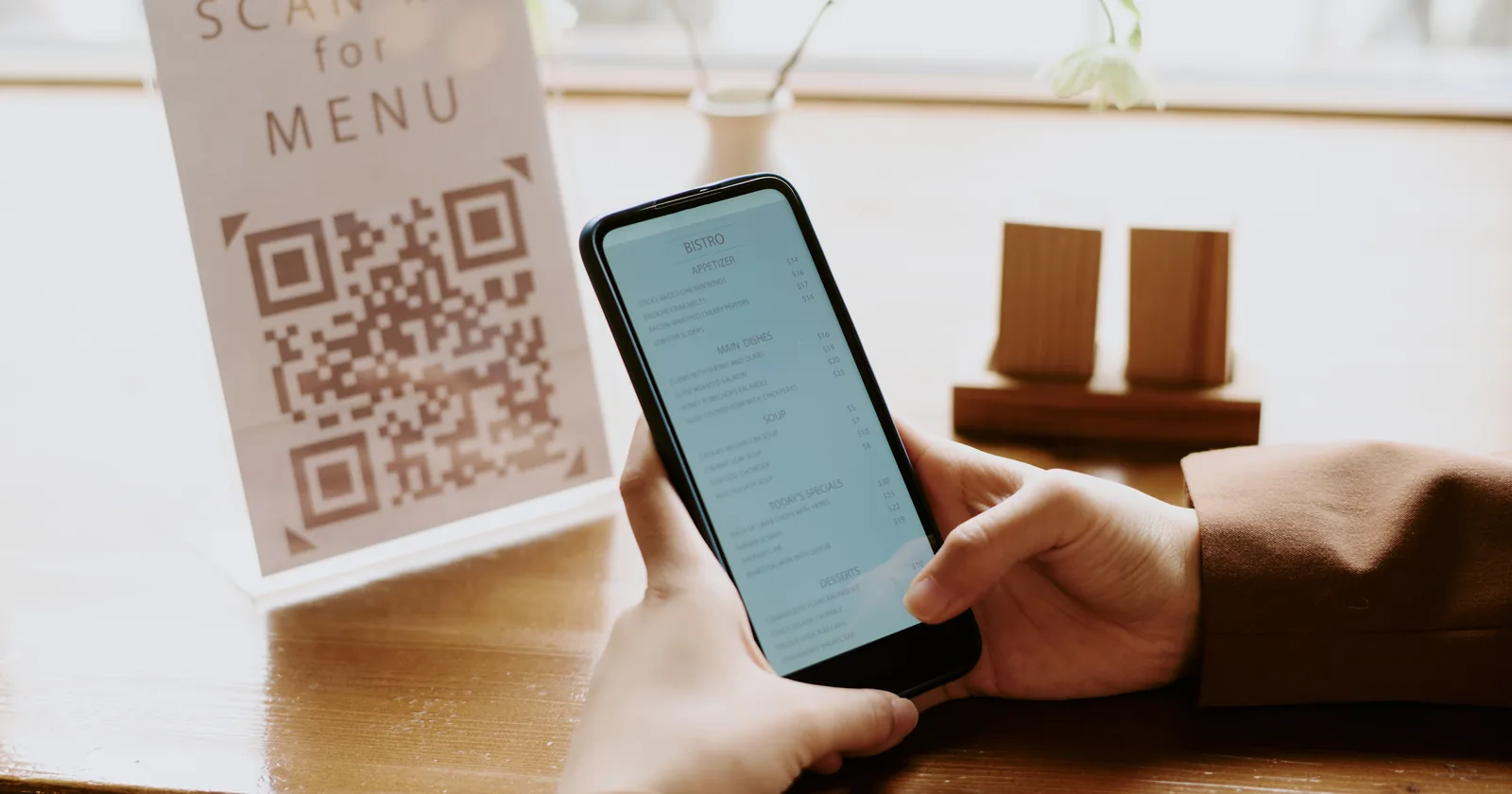
A curated digital city guide is built for exactly this stage of the trip. With Discovery Guide, a hotel guest scans a QR code in the lobby, at the front desk or on the in-room TV, and an interactive guide opens in their browser with no app to download: local picks, a discovery map, exclusive offers and Book Now checkout. Co-branded event guides extend the same idea to conferences, festivals and big games, when a whole audience arrives at once.
Each territory is run by a local franchise owner who curates the guide, partners with hotels and works with local businesses. That makes it a natural complement to a tourism board's work rather than a competitor to it: the board brings visitors to town, and the guide helps them find the places that make the trip worth repeating.
Why it matters to the local economy
Visitor spending only helps a local economy if it reaches local businesses. When the in-destination stage goes unserved, that spending defaults to the most visible options. When it is served well, a great independent restaurant two streets off the main square has the same chance to be found as the place with the biggest sign, and a destination's reputation is built on the experiences visitors actually remember.
Frequently asked questions
What is in-destination marketing?
Marketing aimed at visitors after they arrive, when they are choosing where to eat, what to do and what to book. It complements destination marketing, which focuses on persuading people to visit in the first place.
Why does the in-destination stage matter?
Most visitor spending at local businesses is decided during the stay. About 75% of travelers book experiences within 24 hours of arriving, usually on their phones.
Do visitors still use printed tourism brochures?
Rarely. Fewer than 5% of hotel guests take a brochure from a lobby rack, while around 98% of travelers search for things to do on their phones.
How does a digital city guide work alongside a tourism board?
A tourism board brings visitors to the destination. A curated digital city guide, opened from a QR code at partner hotels, helps those visitors find and book local restaurants, attractions and tours once they are there.
Does Discovery Guide support international visitors?
Yes. The guide supports multiple languages, so international travelers can use it in the language they prefer.