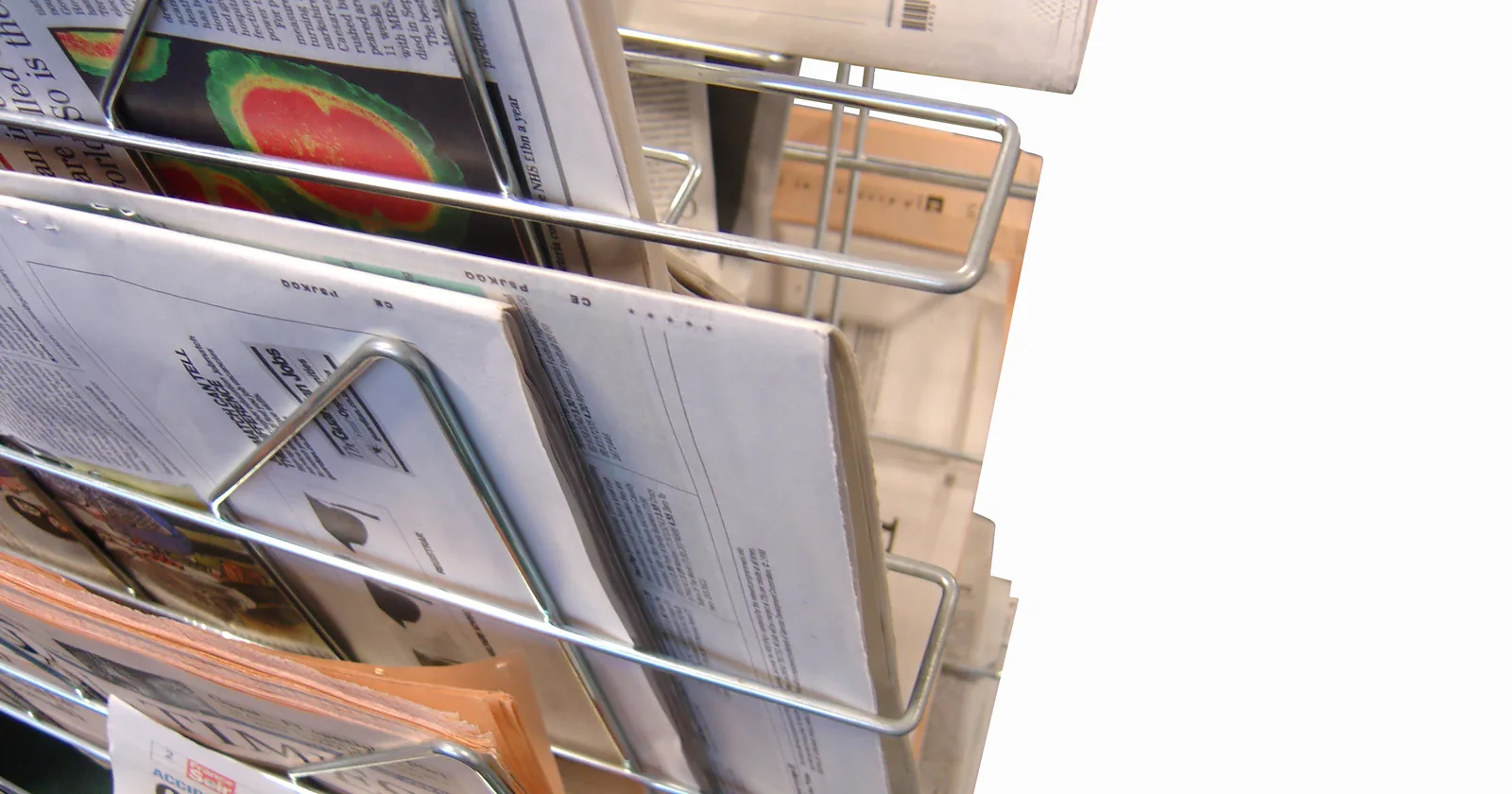
Walk through any hotel lobby and you will still find a rack of glossy brochures and a stack of foldout maps. Walk a little further and you will find almost no one using them.
The paper guide had a long run. For decades it was how travelers figured out where to eat and what to see. That era is over, and the numbers are not subtle about it.
Fewer than 5% of hotel guests pick up the printed maps and brochures in the lobby.
Why paper lost
Printed guides all share the same flaws. The discounts expire the day they are printed. The listings go stale. There is no way to book anything, so even a great recommendation leads to a dead end. And every update means another print run, another distribution cycle, and another cost.
What travelers do instead
They reach for their phones. Around 98% of hotel guests and travelers use their phone to search for things to do, and then to book and pay. The decision and the purchase happen on the same screen, often within minutes.
The gap that is left
Here is the strange part. Travelers moved to mobile years ago, but the in-destination guide never moved with them. Most hotels still hand out paper, or point guests to a search engine and hope for the best. That gap is exactly what a mobile-first guide is built to fill, and it is why this is a category in the making rather than a crowded market.